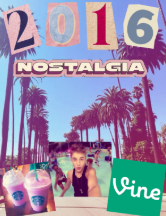
Recently, if you scrolled on tik tok, you would see videos saying 2026 is the new 2016. It’s a decade away from 2016 now and many people are starting to talk about comparisons between these years. In many ways, 2026 is a reflection of challenges and societal shifts that were defined in 2016.
Both years have the same aesthetic. Trends from the early 2000’s are now coming back and we are reflecting the same cultures. From music to memes to even the vibes of 2016. Some people are saying we had a cultural reset and a less serious internet culture as meme-driven humour is coming back.
One of the biggest similarities is technology. In 2016, the rise of AI and virtual reality started. In 2026, technology will be used in our everyday lives. It’s also changed the way we interact with the world, which started about in 2016. We mirror the impact AI made back then.
In 2016, lots of movements for social justice came up and challenged the norms and equality. In 2026, these same conversations are happening but more evolved with more talk about inclusivity and systemic change. Both years have a demand for authenticity, transparency, and a more equitable future.
Lots of popular songs and artists are coming back from 2016 or the 2000’s. Songs including One Dance, Lush Life, Closer, Love Yourself, Sorry, Work, Can’t Stop the Feeling, Cheap Thrills, Stressed Out, and 7 Years. The biggest artists coming back are mainly Justin Bieber and Justin Timberlake. These songs have become popular again because of the nostalgia and trends from tik tok.
Many tik tok trends from 2016 have also started to come back. The mannequin challenge, 2016 makeup, fashion throwbacks, and old memes have all come back. People are now using old pinkish, vintage filters for nostalgia. Creators are embracing simpler, pop-culture moments.